

Visualizzazione post con etichetta decreto Imu-Bankitalia. Mostra tutti i post
Visualizzazione post con etichetta decreto Imu-Bankitalia. Mostra tutti i post
martedì 18 febbraio 2014


venerdì 14 febbraio 2014
VEDIAMO DI TENERE BENE IN MENTE LE PERSONE COINVOLTE NEL BRUTTO "AFFARE" BANKITALIA
Scritto da Maria Melania Barone 11 febbraio 2014
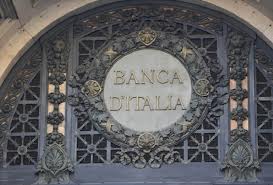
Dopo aver pubblicato numerosi articoli sul decreto Imu Bankitalia, convertito in legge per mezzo della Boldrini che ha preferito azzerare le opposizioni adottando “la tagliola”, uno strumento per altro non previsto dal regolamento della camera, pubblico l’accuratissima analisi scritta da Gianni Condotto su Quelsi. Ecco i tre punti di anomalia che rendono il ddl 133/2013 un decreto”criminale”.
Di Gianni Candotto, il 3 febbraio 2014
Per comprendere se l’operazione del governo, approvata con l’intervento decisivo del presidente della Camera Laura Boldrini, sia profittevole per il Paese o un regalo alle banche private, fornendo con quest’ultima considerazione un punto di vista diverso rispetto a quanto già esposto sulla nostra testata, è necessario analizzare come si sia decisa la nuova valutazione del capitale della Banca, i dividendi che erogherà ai quotisti rispetto a prima e fare una valutazione generale sulla governance.
Uno degli obiettivi di questa riforma è bloccare definitivamente la legge Berlusconi 262 del 2005 che imponeva al Tesoro di rientrare in possesso delle quote della Banca d’Italia in mano agli istituti di credito privati entro tre anni dalla sua entrata in vigore. La legge è stata disattesa principalmente per volontà del duo Prodi-Padoa Schioppa
martedì 4 febbraio 2014
ZERO HEDGE: ITALIA PRESENTA IL PIU' BIZZARRO SALVATAGGIO BANCARIO

The biggest problem facing European banks - one we highlighted most recently yesterday when we showed the latest 20% surge in Spanish Banco Popular Non-Performing Loans to a fresh record - and one we have been covering since 2010, which as of 2012 amounted to some $4.5 trillion that needs to be "remedied" - is the staggering amount of bad debt on the books of Europe's numerous banks, the bulk of which especially in the periphery are cojoined with their sovereign host in an unbreakable bond which despite Europe's theatrical attempts to sever, only keeps getting stronger.
But while, so far at least, the conventional "under the table" can-kicking European bailout mechanism involved a process whereby banks would issue bonds with a sovereign "guarantee", then promptly repo them to the ECB at virtually no haircut as the Goldman alum-led central bank did everything in its power to keep injecting liquidity in an insolvent continental banking system (while everyone pretended to not realize what was going on as the "A-ha" moment of public epiphany would mean the emperor would suddenly have no clothes and the jig was up), this week things changed.
On Wednesday, Italy's government voted final approval to a decree hiking the value of Bank of Italy's share capital from €156K to €7.5 billion - something that had not been done since the 1930s. Of course, politicians determining the fictitious value of a central bank is one thing, as idiotic as it may be. However, what is truly preposterous is the covert bailout that accompanies the decree: a key part of the decision was setting a 3% ceiling on the stake that the bank's shareholders can own in the central bank. This means, as Reuters reports, that Intessa and UniCredit, currently the central bank's largest shareholders with stakes of 42 percent and 22 percent respectively - not to mention two of Italy's most NPL-heavy banks - will have to sell the bulk of their central bank "equity" stakes. And who will they sell them to?Why the central bank itself, and in return they will pocket up to €3.5 billion ($4.7 billion) from the sale of their central bank holdings. Said otherwise, Italy took not only bizarro accounting, but also monetary financing of insolvent banks by the monetary authority, and thus Italy's taxpayers, to the truly next level.
Iscriviti a:
Post (Atom)